Table of Contents
The solution to this inquiry is often a lot more difficult than the individual asking may understand. AdvertisementCleveland Clinic is a non-profit academic clinical. Advertising on our site assists sustain our objective.
And while that makes these problems seem extremely different, they are much more linked than they may seem. And they typically occur with each other. Psychiatrist Karen Jacobs, DO, gives us a review of what stress and anxiety and depression are, exactly how they show up in various ways, how they can be associated and exactly how to discriminate in between the 2.
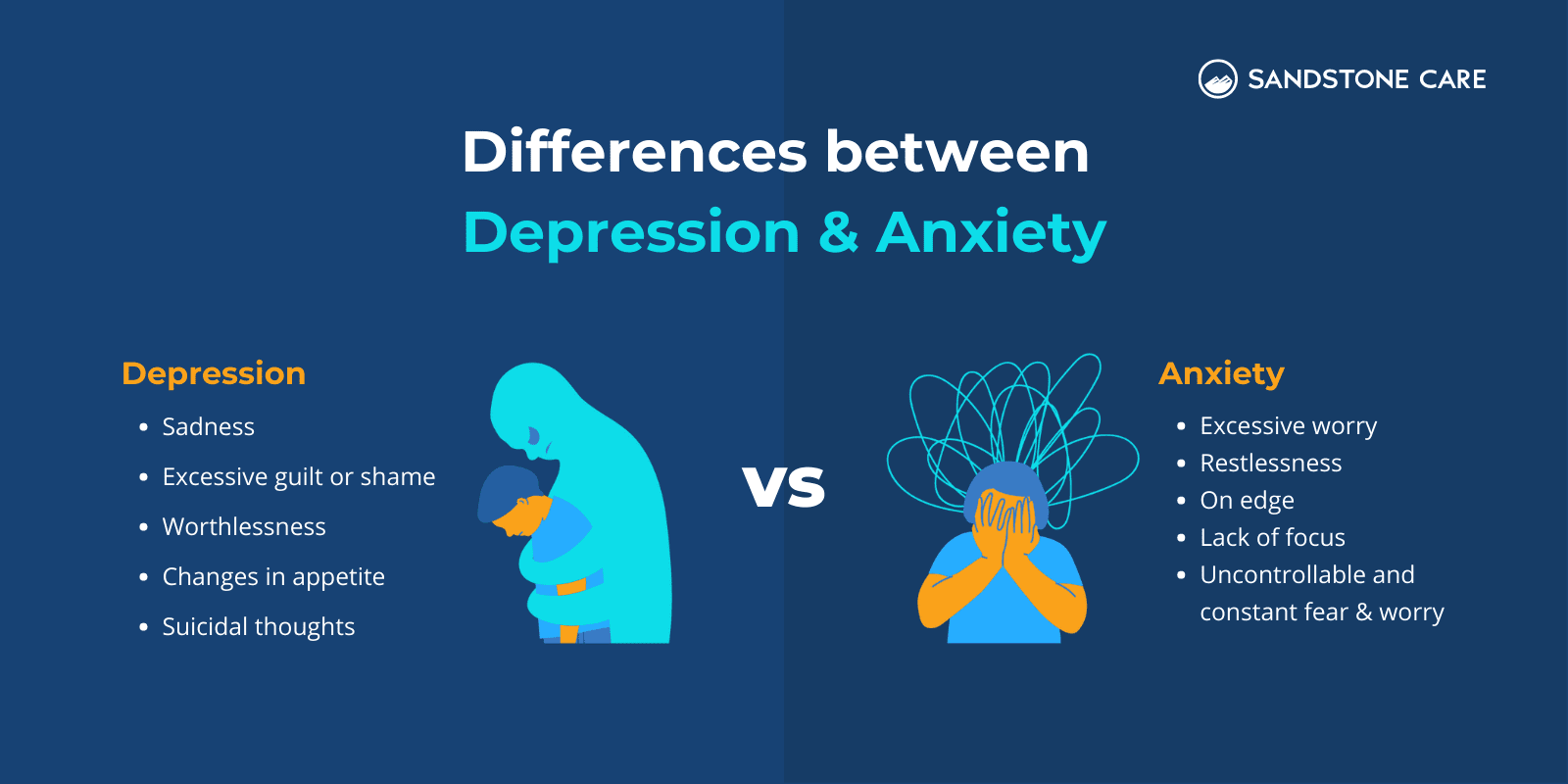
Feelings of restlessness. In addition, there's a wide range of physical signs that can take place with anxiety, consisting of: Muscle mass tension., can have significant effects on your health and wellness.
Compassionate Care in Dubai Complex Trauma
Jacobs states it's so crucial to look for therapy if you're experiencing these signs and symptoms. A depression medical diagnosis goes much past simply having cries. The big difference in between unhappiness and professional anxiety is that, with sadness, the signs and symptoms are not almost as extreme or relentless. In other words, they do not disrupt your capacity to function on an everyday basis when you're simply depressing or having a bad day.
Hallmark signs of depression include: Feelings of sadness and hopelessness. Loss of rate of interest. Trouble sleeping. Really feeling tired. A modification in appetite. Unexplained physical discomfort or pains. Really feeling like little jobs take additional effort. Having thoughts of self-harm or self-destruction. Feelings of worthlessness and reduced self-esteem, and clinically depressed state of mind. Anxiety and clinical depression are both common mental wellness conditions that can impact your capability to set about your daily jobs and live your life fully.
The Critical Need for Evidence-Based Counseling Creates Safety For Relationship Challenges
Both anxiety and anxiety can cause: Digestive system problems. If you're experiencing any of these signs and symptoms, it's important to let a medical care supplier know. If you're experiencing adjustments in your mood and you're trying to sort out whether it may be clinical depression or anxiousness or both pay attention to your power degree and your perspective towards the future.
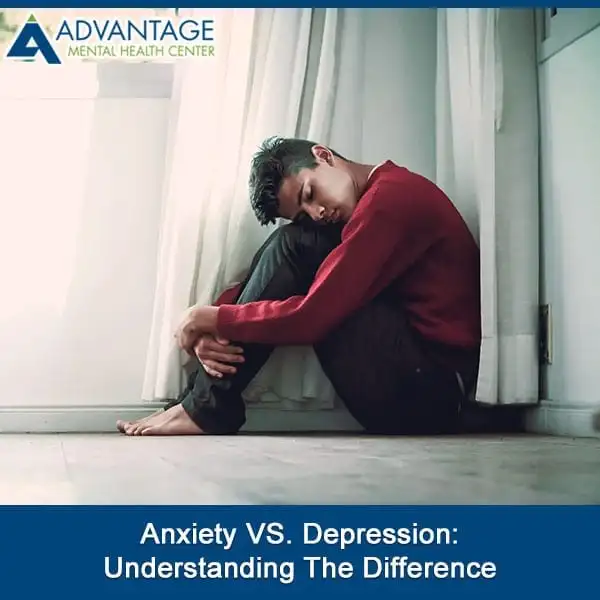
At the same time, stress and anxiety can trigger you to feel high-strung and stimulated, frequently sustained by racing thoughts and concern. One more large distinction between stress and anxiety and depression also comes in the treatment of each condition. It is essential to talk to your specialist, psychiatrist or doctor to make certain you're getting the appropriate treatment.
EMDR Compared to Trauma Treatments for Building Healthy Self-Esteem
We're trying to figure out which one occurred initially, and then if one triggered the various other," clarifies Dr.
Online Therapy for for Depression and Anxiety
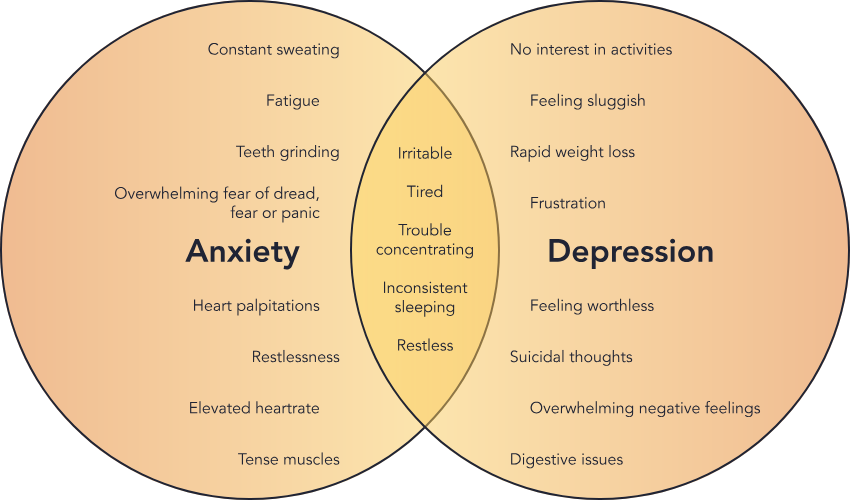
When this happens, takes place can also be likewise greater risk higher self-harm. In this circumstance, extensive treatment can be really handy for taking care of clinical depression come with by nervous distress, so it's important to reach out for assistance. Whether they occur with each other or independently, depression and stress and anxiety are both treatable.
In basic regarding 1 out of every 6 adults will certainly have clinical depression at some time in their life. Anxiety affects around 16 million American adults yearly. Any person can obtain clinically depressed, and depression can happen at any kind of age and in any kind of sort of individual. Lots of people who experience clinical depression additionally have various other mental health conditions.1,5 Anxiousness conditions usually go together with anxiety. These feelings can disrupt everyday activities and may last for a lengthy time. Anxiety and clinical depression are frequently referred to together, but they are not the same. Stress and anxiety is characterized by persistent anxiety, uneasiness, and stress regarding future events. It sets off the body's fight-or-flight action, leading to restlessness, an auto racing heart, and trouble focusing. On the various other hand, depression is noted by a consistent feeling of sadness, sadness, and absence of motivation. Approximately 40 million grownups in the United States fight with anxiety, and more than 16 million grownups fight with clinical depression. Anxiety and anxiety are two of the most common mental health obstacles individuals in the united state(and throughout the world )face. There's still a lot of confusion bordering these 2 problems. If you're having problem with anxiety, you might experience a loss of interest in activities you as soon as delighted in, and you might have a hard time to perform fundamental tasks of everyday living since your mood and power levels are so reduced. One of the most well-known kind of anxiety is described as major depressive problem. In addition to significant depressive condition, there are a few other kinds of depression of which to be conscious, consisting of these: In those with consistent depressive problem, symptoms last for a minimum of 2 years with little to no alleviation. Additionally referred to as manic depression, bipolar problem is defined by periods of mania( very high power, minimal sleep, illogical behavior, and so on)followed by durations of anxiety(very reduced power, too much sleep, feelings of self-loathing, etc). You can experience signs and symptoms of stress and anxiety and anxiety at the very same time. Panic condition and various other kinds of stress and anxiety problems are often come with by major depressive disorder. A current around the world research study likewise showed that, of those that experienced significant depression for 12 months, 41.6 percent of them likewise dealt with one or even more stress and anxiety conditions during the very same period. One of the crucial differences between anxiety and anxiety, however, is the difference inthe way people move. Those with depression often tend to move more gradually, whereas those with stress and anxiety may be upset and existing jerky activities or thrill around to try and relax their distressed feelings. Stress and anxiety and clinical depression likewise differ when it concerns assumed patterns. If you're uncertain which feeling you're actually feeling, comprehending emotional triggers can supply clarity and insight into exactly how your mind and body respond. Stress and anxiety and clinical depression, like numerous other psychological wellness problems, do not typically have one direct cause. Nevertheless, the complying with are some prospective reasons you may develop either or both of these health problems: Terrible life experiences Clinical problems( heart condition, diabetic issues, hyperthyroidism, short-tempered bowel syndrome)Drug or alcohol abuse or withdrawal Drug adverse effects Abuse Heartbreaking events Social seclusion Medicine or alcohol misuse Medication adverse effects Abuse of drugs or alcohol can create signs of anxiety and anxiety in particular people. There are likewise similarities in between depression and anxiety when it comes to traumatic life occasions, abuse being a common cause. One person may be more susceptible to clinical depression after going via a hard event, whereas others might be more probable to develop stress and anxiety signs, and some might create signs of both conditions. Anybody can develop anxiety or clinical depression, but psychological wellness problems might be extra most likely to take place in particular populations. If you drop right into any one of the categories gone over listed below, you might be much more susceptible to stress and anxiety or clinical depression(or both)compared to others: Females are extra likely to be detected with stress and anxiety conditions compared to males. Older individuals are more probable to be identified with clinical depression compared to more youthful people. Stressful occasions might make you extra susceptible to depression than those that have not skilled severe trauma. Those who fight with other psychological health problems, consisting of stress and anxiety, may also create depression. If other individuals in your family members have been detected with clinical depression, you may be much more most likely to be identified as well. They may additionally suggest anti-anxiety medications like buspirone, along with medications like benzodiazepines, which are indicated to be utilized for short-term alleviation during serious episodes of anxiousness.

Navigation
Latest Posts
A Dynamic Framework to Personal Growth in Clinical Practice
Current Psychodynamic Approaches for Intake and Assessment Services
Women Managing Relative Energy Deficiency and Compulsive Training